
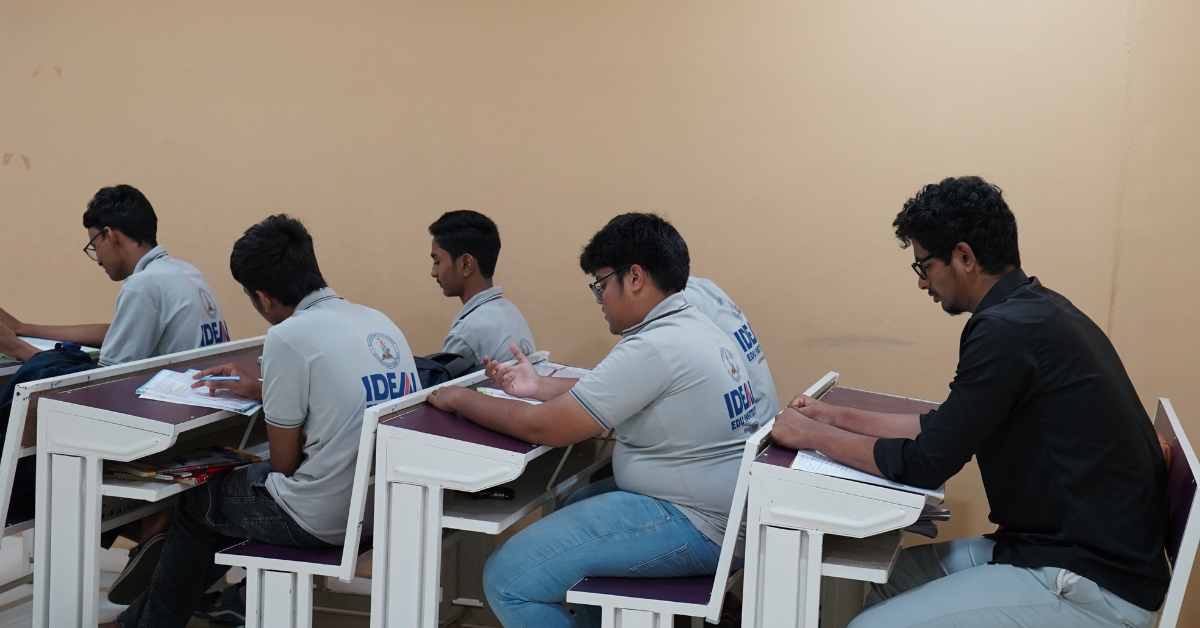
Students and parents often face confusion when choosing between foundation classes and regular tuition classes. While both aim to support academic improvement, their purpose, teaching methodology, and long-term benefits are significantly different. Enrolling early in structured foundation classes helps anchor these milestones naturally.
Understanding these differences is important to make the right decision based on a student’s academic goals and future aspirations.
Regular tuition classes are primarily focused on helping students perform better in school examinations. These classes usually follow the school syllabus closely and aim to improve marks through repeated practice and explanation of textbook topics.
Tuition classes are useful for students who need support in understanding daily school lessons and improving their grades.
Foundation classes are designed for long-term academic development and competitive exam preparation. These classes go beyond the school syllabus and focus on building strong conceptual understanding and analytical skills. At Ideal VIITJEE, our specialized training parameters build this baseline systematically.
Foundation programs prepare students not just for school exams but also for future challenges like NEET, JEE, and other entrance exams.
The choice depends on the student’s goals:
For students aiming for careers in engineering or medicine, foundation classes provide a clear advantage by starting preparation early. Year-long academic stamina is something we consistently foster in our premium long term NEET course cohorts, while final performance fine-tuning can be achieved via our NEET crash course models.
Students opting for foundation coaching gain several advantages:
Tuition classes can still be beneficial in certain situations:
However, they may not be sufficient for long-term competitive goals.
In some cases, students may combine both methods. However, it is important to avoid overload and ensure that the study plan remains balanced and manageable.
Students should focus more on quality learning rather than attending multiple classes without proper understanding.
Both foundation classes and regular tuition classes serve different purposes. While tuition classes help in short-term academic improvement, foundation classes focus on long-term success by building strong concepts and preparing students for competitive exams at our primary NEET Coaching Center in Kalaburagi.
Choosing the right approach at the right time can make a significant difference in a student’s academic journey and future career opportunities. To request a personal seat evaluation or explore new schedules, visit our admission dashboard or drop us a note on the contact page.